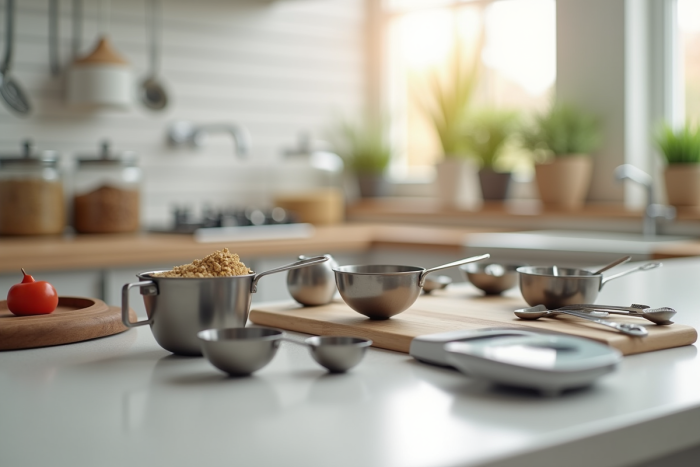
One milliliter of water does not weigh exactly one gram under all conditions. Conversion tables sometimes differ depending on the country or the era, even for values that seem universal. Converting from milliliters to centiliters or deciliters does not always follow the expected logic in certain old recipes or Anglo-Saxon systems.
Minimal conversion errors can alter the texture or taste of a preparation. Measuring utensils vary in precision, complicating the application of standards. The consequences are measured as much in the success of a dish as in the understanding of culinary instructions.
Why conversions between milliliters, centiliters, and deciliters are essential for successful recipes
Mastering the conversion of units in cooking lays the foundation for every dish, leaving nothing to chance. From milliliters to centiliters, from centiliters to deciliters, each transition from one measurement to another shapes the texture, flavor, and final result. Nothing is left to interpretation: the dosage of a liquid, the consistency of a dough, the success of a light sauce all depend on this accuracy. A simple slip in converting volumes can upset the balance: too thick, too runny, bland, or undercooked.
Every step of a recipe demands this rigor: weigh, measure, adjust. We move from the measuring cup to the scale, juggling between volume and mass. A striking example: trying to find out how much 30 centiliters is in grams leads to the page ‘How much does 30 cl weigh in grams in your favorite recipes? – Mon Assiette’. This calculation, far from being trivial, can determine the success of a custard or the moistness of a cake.
Here are some concrete points that illustrate the importance of correctly converting measurements:
- Adapting quantities allows for adjusting a recipe to the desired portion while maintaining the right balance.
- The conversion between milliliters and centiliters becomes essential when navigating between recipes from elsewhere or from another time.
- Liquid and dry ingredients do not tolerate any approximation: a minimal discrepancy can radically change the result.
This is not a matter of fussiness: precision in unit conversion often separates success from failure. Sometimes, just one centiliter too much or too little is enough to ruin a dough or cause a sauce to curdle.
Common mistakes, practical tips: how to ensure measurement accuracy in daily cooking
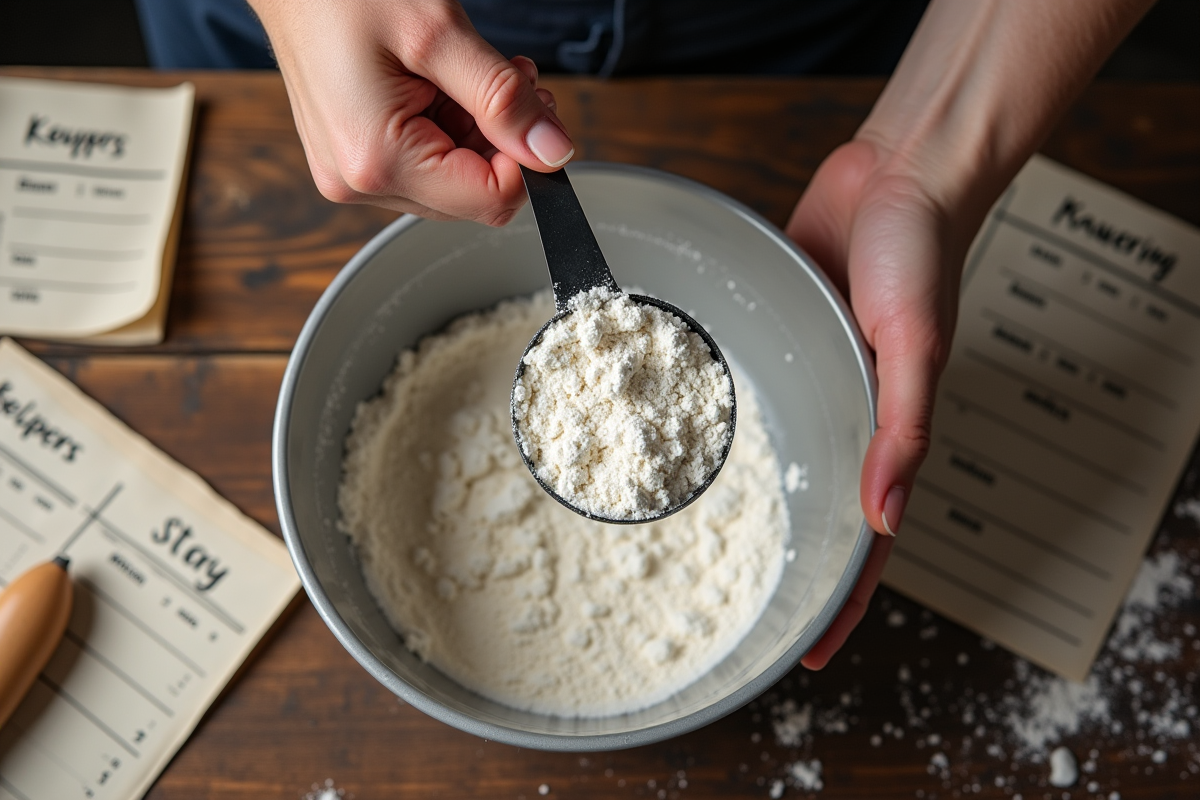
Conversion errors can easily creep in, often due to a mechanical gesture or a misinterpretation. Confusing centiliters and milliliters, ignoring the precise graduations of a measuring cup, or using a cup whose size varies by region: each approximation moves you further from the expected result. Even a tablespoon that is too heaped is enough to change the texture of a dough. When a recipe crosses borders or eras, the transition between metric and imperial systems complicates matters even further.
Some simple guidelines can help avoid these pitfalls in daily cooking:
- Trust reliable conversion tools: graduated measuring cups, precise digital scales, or a conversion chart displayed in the kitchen.
- Take the time to check the origin of each unit of measurement. For example, a French tablespoon and an American one do not always contain the same amount.
- Prefer weighing for dry ingredients, and measure liquids as accurately as possible. Density varies from one ingredient to another, just like weight.
Having a conversion chart in view limits the risk of error. Remembering that 10 milliliters equals 1 centiliter quickly becomes a reflex. Some online applications also make the task easier: they instantly convert volumes and quantities based on the size of the mold or the number of guests.
Finally, the key lies in organization. Before starting, gather all the necessary utensils, carefully read the ingredient list, identify each unit of measurement, and anticipate the conversions to be made. This discipline transforms precision into an ally, and cooking into a playground for flavors, without unpleasant surprises.
Ultimately, a well-mastered recipe is the assurance of a dish that lives up to its promises. It is up to everyone to make precision their best ally, to transform raw ingredients into successes to share.