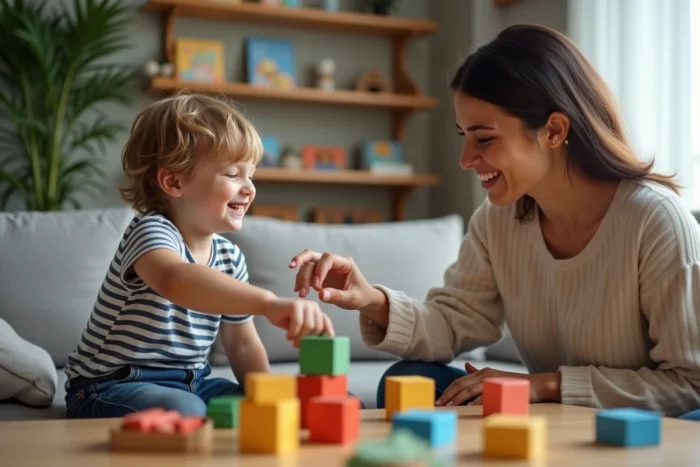
Some children memorize new words faster by manipulating letters than by repeating lists. Instructions read aloud during a board game promote active listening much more than simple school exercises.
Language progress sometimes emerges where you least expect it: a game of bingo, a riddle, and suddenly reading is no longer a mountain. Educational games do not replace traditional methods, but their effectiveness often surprises, in all simplicity.
Why educational games are valuable allies for learning to read
Reading is not imposed by decree. For a child, learning is built through exploration, repetition, and lively curiosity. Educational games do not just occupy the mind: they boost cognitive abilities, encourage progression without stress or pressure. Here, experience takes precedence, everyone evolves at their own pace, with relaxation replacing apprehension.
To understand the extent of their benefits, here are some concrete examples:
- Games involving images, letter or sound associations naturally stimulate concentration, memory, a sense of connection, and logic.
- Guessing, solving a puzzle, or engaging in a riddle encourages the child to mobilize their imagination and gradually refine their attention, all in a playful spirit.
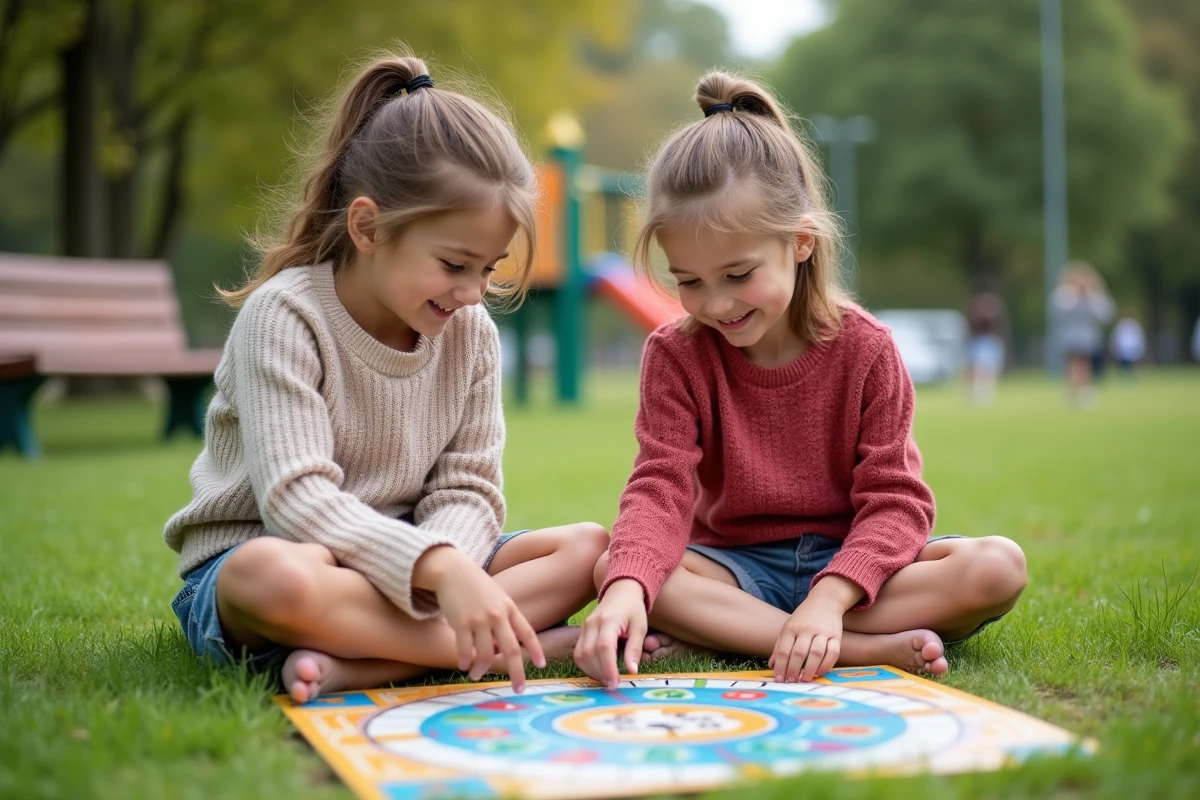
- Collective games develop patience, listening, respect for rules, and autonomy. Explaining a rule or waiting for one’s turn also fosters the desire to cooperate.
And above all, making mistakes becomes a necessary step, never a punishment. We learn to learn, without judgment, without fear. This supportive framework gives reading a real sense of adventure.
Want to go further or add a personal touch to your daily life? It’s simple: just discover Ouaps educational games. These clever resources naturally fit into family routines and transform every moment into a space for experimentation, rekindling the desire to read.
What games for what age? Practical tips to support reading learning
Each stage of childhood calls for its own games and tools. For the youngest, nothing replaces tactile experimentation: manipulating, touching, building. Puzzles, memory games, and construction games strengthen coordination and sharpen the eye, laying a solid foundation for later approaching letters.
Around age 4, associating sound with image becomes a great lever. Drawing inspiration from Montessori educational games, touchable letters, numbered bars, or picture cards encourages the child to understand the meaning of words through what they see and hear.
As they grow older, the collection of games expands: board games, digital tools, collective challenges. Here, children learn to follow instructions, listen, and argue. Solutions also exist to support young readers with autism spectrum disorders or dyslexia: adapted visual aids, simplified rules, pictograms. Everyone finds their place and their pace.
Alternating free play, guided exercises, and sensory activities is key. This variety maintains curiosity and allows each child to discover reading in their own way. What truly matters is the joy of understanding and owning words, not the speed of execution.
Resources and ideas to turn every moment into an adventure around words
Opportunities to learn while having fun can be found in every corner of daily life. Routine, far from being fixed, becomes a ground for experiences and discoveries. We can enrich every household task: inventing stories while tidying up the room, counting aloud while cooking, naming the colors of snack items. These activities make one forget that it is learning and nourish a natural desire to progress.
To vary the pleasures and stimulate all facets of the child, many possibilities are at hand:
- Riddles, escape games, role-playing games, or puzzles, to test logic and creativity from different angles
- Board games that focus on speech, enhance cooperation, and reasoning
- Sensory or construction games that refine the manipulation of sounds as well as objects and structure thinking
The child progresses without pressure, guided above all by pleasure. Why not invent your own rituals? Syllable hunts around the house, rhyme contests on the way to school, improvised collective stories. The Montessori approach also inspires very simple games, like lining up objects or drawing letters with everyday materials.
When play infuses daily life, learning takes root for the long term. Each experience then becomes an opportunity to grow, understand, and remember. Whether physical or digital, educational play remains that faithful companion that builds confidence and opens the door to the world of words.