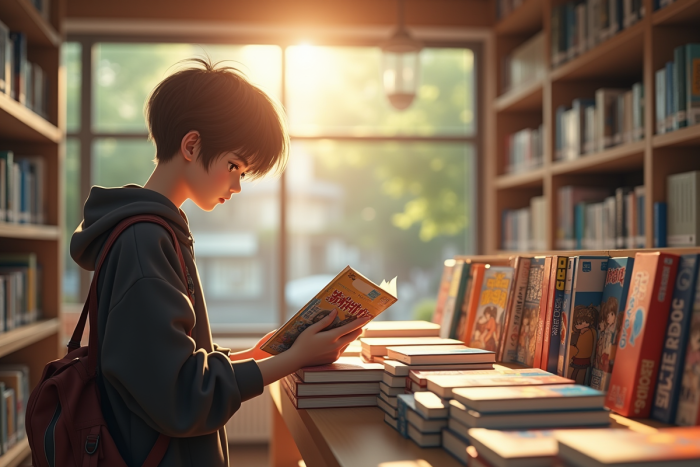
In Japan, the category of graphic works classified as “adult” represents over 30% of the total manga market, a figure significantly higher than that observed in most other countries. This specificity has contributed to the rise of a creative sector where narrative experimentation and audience diversity play a central role.
Works aimed at a mature readership have a lasting influence on aesthetic codes, themes, and debates in pop culture, well beyond their countries of origin. Their repercussions can be seen in both editorial innovations and the evolution of social perceptions regarding cultural content.
When adult manga reshapes Japanese and global pop culture
At the heart of Japanese culture, adult manga does more than entertain: it challenges, inspires, and nourishes the collective imagination. In Tokyo, amidst the hustle and bustle of Akihabara or during Comiket, the diversity of genres such as seinen, josei, or hentai manga captures the attention of a diverse audience, from Japanese insiders to curious travelers from all corners of the globe.
The global manga market is embracing this vibrant dynamic. Adapted into animes and video games, these adult narratives now influence films, series, and merchandise all the way to Europe. The signatures of Katsuhiro Otomo and Masamune Shirow can be found in Japanese pop culture, even in the costumes of Parisian cosplayers or the vibrant aisles of Japan Expo. Boundaries blur: otaku culture is making its way into the mainstream, breaking down old divides between enthusiasts and the general public.
The rise of hentai manga, long reserved for a niche, marks a turning point. Today, it enters discussions about creative freedom and redefines cultural benchmarks. Manga culture acts as a testing ground where new forms are invented, where narratives take risks, shaking up Japanese popular culture and, by extension, global pop culture.

Resources, essential works, and avenues to explore the richness of adult manga
It is impossible to confine adult manga to a single category. The seinen and josei genres, designed for experienced readers, constantly reinvent the perspective on Japanese culture. Among the major references, Katsuhiro Otomo with “Akira” and Masamune Shirow with “Ghost in the Shell” hold a special place. These works explore relationships with technology, the aftermath of World War II, and the transformations of Japanese society. Translated and adapted, these titles feed into the global manga market as well as the digital manga market.
On the josei manga side, the focus is on intimacy, social relationships, and professional realities. Examples like Nodame Cantabile or Paradise Kiss offer nuanced narratives, worlds apart from the codes of shonen or shojo. They reveal the complexity of individual journeys while grounding their stories in contemporary Japanese society.
To measure the impact of adult manga, one only needs to look at how it invests in other cultural territories:
- video games stemming from seinen or josei universes,
- collectible figurines and merchandise,
- immersive experiences in Akihabara or during festivals like Japan Expo.
Exploring these worlds is to gauge the vitality of Japanese pop culture. The connections with fashion, J-pop music, or gunpla (robot models) highlight the overflowing creativity of a constantly evolving sector. Adult manga thus becomes an open door to a thriving ecosystem, where each work, each object, each experience enriches Japanese popular culture.
The influence of adult manga extends, shapes, and renews global pop culture. With every page turned, an entire facet of the collective imagination is reinvented, ready to cross new frontiers.