
An unknown number appears on the screen. French law does not impose any obligation on operators to make information behind an incoming call accessible. However, free services exist to try to lift the anonymity. These tools, although often incomplete, sometimes allow you to associate a number with a name or a business at no cost and in just a few seconds.
Some platforms collect their data from public information or user contributions, which limits their reliability but broadens the range of possibilities. Using these resources has its limits, but it remains the most accessible option for quickly finding out the identity of an unknown caller.
Why use a free reverse directory to clarify an unknown call?
An unknown call appears on the screen, leaving doubt: commercial approach, mistake, or even attempted fraud. In the face of this uncertainty, using a free reverse directory for mobile proves to be a direct and accessible solution. This type of service relies on a database fed by telephone operators and public sources to associate a number with its owner, while respecting the GDPR and personal data protection.
Several concrete benefits explain the interest in a free reverse directory:
- Identify an unknown number without spending a dime or providing your own contact details.
- Detect unwanted calls, fraud, or spam attempts and contribute to their reporting to enhance collective vigilance.
- Reduce interruptions related to commercial prospecting or anonymous calls.
But reverse searching is not all-powerful: numbers on the do-not-call list or protected numbers never appear, ensuring the anonymity of those who have chosen it. The reverse directory identification strictly adheres to these rules, in accordance with privacy regulations. It is up to everyone to remain vigilant and not to be drawn into unscrupulous services that would collect personal data without transparency.
Relying on a free reverse directory for mobile thus allows you to quickly get answers to the question “Who called me?”, while maintaining the delicate balance between research and respect for privacy.
What steps to follow to easily find out the identity of a number on your mobile?
To trace the origin of an unknown number, start by copying the phone number displayed in your call history. Go to a free reverse directory service like APWN. Paste the number into the designated field and initiate the search. In a few seconds, the system reviews its database, cross-references different public sources, and then displays, if possible, the associated name or at least the category of the caller (individual, professional, commercial service).
If the directory remains silent, which is common for numbers on the do-not-call list or unlisted numbers, nothing prevents you from deepening the investigation. Try a reverse number search via Google: type the number in quotes. This may bring up reviews on specialized forums, ads, or posts on social media. Regularly, internet users share their experiences and report problematic numbers, thus contributing to general vigilance.
Another avenue: mobile applications dedicated to reverse searching. These tools sometimes offer automatic blocking of calls deemed suspicious. For masked calls or those from abroad, technical solutions are rarer: only certain star codes like 69 or 57 (reserved for North American operators) provide additional access to the caller’s identity via the operator. In France, the law locks this access to ensure personal data protection.
Here are the steps to follow to maximize your chances:
- Write down the unknown number received on your mobile
- Use a reliable free reverse directory platform
- Supplement with a Google search if needed
- Check social media or forums for testimonials
- If the calls persist, report the number or block it via your phone settings
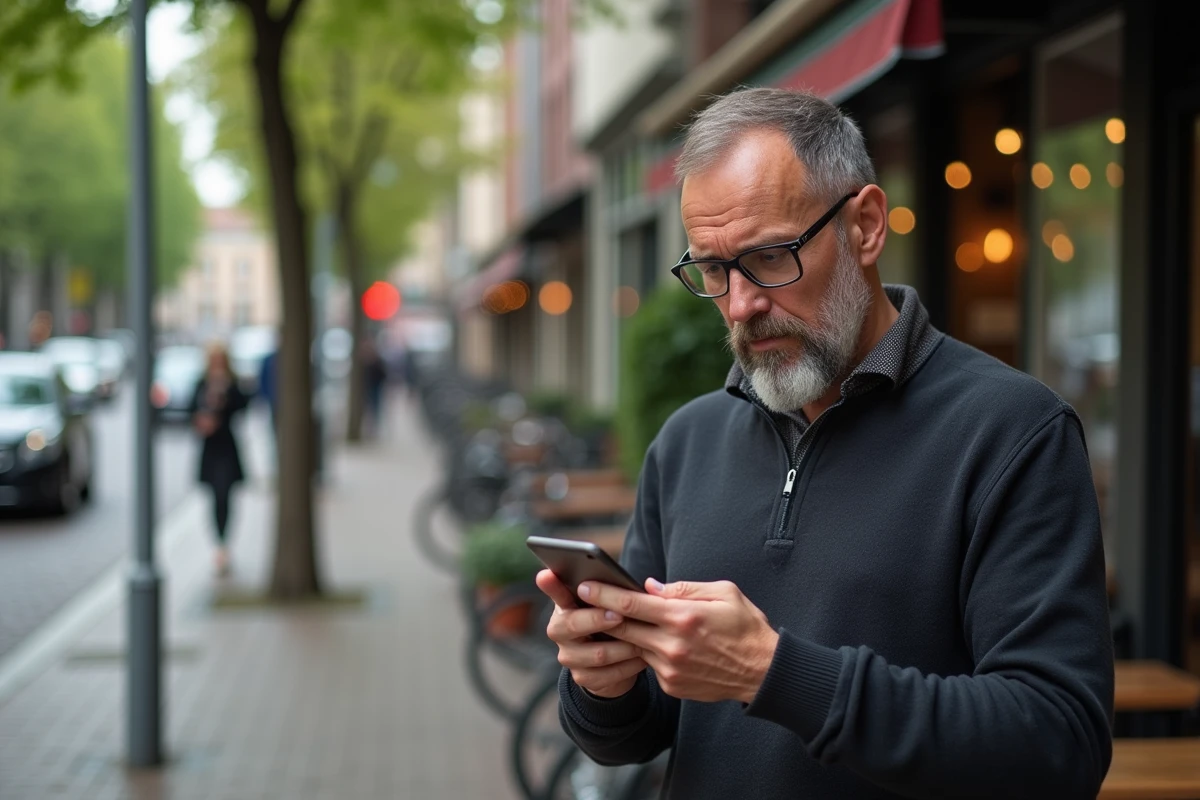
Practical tips to maximize your chances of identification while staying vigilant
Before resorting to a free reverse directory to handle an unknown call, take the time to examine the reliability of the service and its personal data protection policy. Choosing a provider that complies with the GDPR ensures that the confidentiality of your own information will not be compromised. Numbers on the do-not-call list or protected numbers are systematically excluded from public results; privacy prevails over any individual curiosity.
Do not hesitate to multiply your efforts: if the return remains incomplete, check your phone settings. The call blocking features on iOS and Android allow for effective filtering of unwanted or suspicious calls. Proper settings can automatically reject unknown numbers or those already reported as spam. This technical shield proves particularly useful in the face of the increasing number of scams and phone fraud.
To enhance your security, keep these precautions in mind:
- Note the suspicious number to have a record
- Activate the reporting of fraudulent numbers on specialized platforms
- Never call back an unknown number, especially if it comes from abroad or a dubious service
Reporting a fraudulent call contributes to strengthening the collective barrier. Each report refines detection tools, slows the spread of spam, and updates blocking lists. In this race between vigilance and malice, caution remains your best defense.